Tuesday, 26 March 2013

Dietitian Points to Eating Right

A Registered Dietitian (RD) is a health professional who can provide advice on nutrition, food and healthy eating choices to help you look good and feel great.
Information about careers in dietetics, legislative laws and regulations concerning nutrition, and articles by nutrition professionals.


A nationally known diet consultant and nutrition director for the Coalition for Cancer Prevention, is free and open to the public. The talk is sponsored by HOSA, the Juniata student club for those studying for the health professions.

Eisman will talk about how much protein should be part of a healthy diet, as well as warning which foods can be good for heart health, yet can also increase cancer risk. He also will address how to incorporate more nutrients into a vegetarian diet. In addition, he will relate his topic to the global marketplace, detailing how what America eats can affect other countries and the planet.

Eisman is the founder of VEGEDINE, the Association of Vegetarian Dietitians and Nutrition Educators. He currently teaches the VEGEDINE correspondence course in Vegetarian and Vegan Nutrition and wrote the course textbook.


In addition to his book, "Don't Let Your Diet Add to Your Cancer Risk," Eisman also wrote, "The Noble Diet," as well as numerous articles in such publications as The Journal of Nutrition education and Vegetarian Times.

Eisman has extensive experience in public health, serving as a nutritionist for the state health departments in Florida, Georgia and North Carolina. He also has taught classes on nutrition at Florida State University, Broward (County) Community College, and Miami-Dade Community College

The Seder Plate And Your Health


Passover begins tonight at sundown, marking the first of eight days and nights of no leavened bread to commemorate the Jews' liberation from Egyptian slavery. Tonight and tomorrow night, observant Jews will participate in Passover seders, structured dinners throughout which the story of Passover is retold.

Themes from the tale are symbolized by five, sometimes six, food items on the seder plate, many of which are also eaten throughout the meal.

Unlike other Jewish holidays, Passover foods are decidedly more nutritious. Compare spring greens and bitter herbs to the deep-fried latkes and jelly donuts of Hanukkah! Below, we've spelled out some of the perks of the seder plate components. Just match the numbered item on the plate to the corresponding explanations below. Then let us know how Passover inspires you to get (or stay) healthy in the comments.


1. Roasted Bone
2013-03-20-sederplatefinal.jpgA symbol of the offering brought to the temple in Jerusalem, the bone is the only inedible item on the seder plate. The bone is traditionally from a lamb or chicken. However, non-meat-eaters might be onto something with their vegetarian substitutions, at least when it comes to health. Both beets (since they appear to "bleed") and sweet potatoes (the "Paschal Yam", a play on the "Paschal Lamb") are loaded with nutritious perks. The deep red color of beets comes from a host of phytonutrients that act as anti-inflammatories and antioxidants. And sweets are loaded with beta carotene, which ups immunity and protects your skin, while providing a hefty dose of fiber.

2. Romaine Lettuce
One of two bitter herbs on the seder plate, romaine is decidedly less nutritious than horseradish (more on that below). (Both bitter herbs symbolize the bitter times the Jews faced as slaves in Egypt.) But that's not to say this lettuce has nothing to offer. A serving packs more than your daily recommended amount of vitamin A, a good dose of C and some fiber, too, all for very few calories.

3. Charoset
Apples, walnuts and red wine all earned spots on our list of the 50 Healthiest Foods Of All Time. This tasty mixture is meant to resemble bricks and mortar on the seder plate, a reminder of the Jews' slavery in Egypt. Together, the ingredients offer fiber, protection against heart disease, inflammation reduction and lowered cholesterol.

4. Karpas
Often parsley or celery, some say this spring veggie symbolizes the newness of the season. (Some use a boiled potato or a raw onion.) While often discarded as a garnish, parsley is actually a very good source of a number of vitamins and nutrients, including A, C and K, folate, calcium, iron and potassium. It's also been used for medicinal purposes, including for UTIs, digestion issues and asthma, among other conditions, according to WebMD.


5. Horseradish
Grandpa might encourage you to eat this bitter herb to clear out your sinuses, but horseradish has doctor-approved perks, too. In fact, the root can be used for UTIs, joint pain and coughs, according to WebMD, thanks to possible bacteria-fighting powers. It's also a member of the brassica family of plants, which includes nutritional powerhouses like kale and broccoli and seems to offer some cancer protection.

6. Hard-Boiled Egg
Another reminder of Passover offerings, eggs have faced controversy due to their naturally-occurring cholesterol. But the dietary cholesterol in eggs has been shown to play no role in increasing risk of heart disease in most people, according to the Mayo Clinic. Eggs are rich in choline, important for memory, as well as lutein and zeaxanthin, key for eyesight. Eggs are also a great source of protein.


Does A Vegan Diet Help Your Skin?

Filling up on whole grains, vegetables, and fruits is beneficial to your skin! Find out how a vegan diet can improve your skin......

What exactly does meat do to our skin?

You already know that a healthy diet is synonymous with healthy skin. But what about vegan diets? Can you chalk up a youthful, glowing complexion to ditching chicken and ice cream? Whether you nix animal products for health reasons, ethical reasons or both, we got the lowdown from our experts on how this affects your pretty face.


For starters, it can be loaded with saturated fat, which increases the risk for cardiovascular disease. Unhealthy arteries means your skin isn’t getting the glow-inducing nutrients it needs to stay healthy. One study found red meat consumption in particular is positively associated with increased inflammation in the body, which worms its way into your skin to break down collagen and elastin (the building blocks of a youthful complexion).

More from YouBeauty.com:
The 30-Day Meat-Free Challenge To Help Your Skin
Eat Carrots, Look Prettier

It may even contribute to breakouts, according to one study that concluded acne is linked, in part, to our western diet of excessive animal proteins. Researchers recommended we limit the total leucine -- an amino acid found in meat -- intake predominantly provided by animal protein to decrease acne on our skin.

Ditto for dairy.


One study examined the diets of 47,355 women and found a positive link between milk and acne. That's because the majority of milk we consume is produced by pregnant cows, meaning there are high levels of hormones present. That can be an open invitation to oil secretion, breakouts and acne.

But if you think simply ditching the meat and dairy is the answer to a more flawless complexion, it's not.

“The benefits that you get from removing meat and dairy from your caloric intake all depend on the foods that you choose to replace those calories,” explains Kristin Kirkpatrick, R.D., YouBeauty Nutrition Expert. In other words, a vegan who replaces the calories with more fruits and vegetables and other nutrient-dense foods will see a major benefit in her complexion and overall beauty.

That’s because fruits and veggies have a higher water content than cooked meats, and eating foods with high water content (like cucumbers, watermelon, cantaloupe) help hydrate our skin, plump out fine lines and bring on a radiant glow.

Same goes for essential nutrients. A well-balanced vegan diet is typically higher in vitamin C, says Kirkpatrick. “Vitamin C is needed for collagen metabolism, which increases the elasticity of the skin, providing a smoother and less-wrinkled complexion.” You can get your highest dose in foods like papaya, strawberries, oranges, kale, lemon, cauliflower and garlic.

Diet Found To Curb Heart Risks


 Diet Found To Curb Heart Risks Huffington Post Mediterranean diets have long been touted as heart-healthy,In the first-ever clinical trial to evaluate the impact of a Mediterranean diet on heart health, researchers in Spain followed 7,447 men and women.


Diet Found To Curb Heart Risks


Mediterranean diets have long been touted as heart-healthy, but that's based on observational studies that can't prove the point. The new research is much stronger because people were assigned diets to follow for a long time and carefully monitored. Doctors even did lab tests to verify that the Mediterranean diet folks were consuming more olive oil or nuts as recommended.

Most of these people were taking medicines for high cholesterol and blood pressure, and researchers did not alter those proven treatments, said one study leader, Dr. Ramon Estruch of Hospital Clinic in Barcelona.

But as a first step to prevent heart problems, "we think diet is better than a drug" because it has few if any side effects, Estruch said. "Diet works."

Results were published online Monday by the New England Journal of Medicine and were discussed at a nutrition conference in Loma Linda, Calif.

People in the study were not given rigid menus or calorie goals because weight loss was not the aim. That could be why they found the "diets" easy to stick with – only about 7 percent dropped out within two years. There were twice as many dropouts in the low-fat group than among those eating Mediterranean-style.

Researchers also provided the nuts and olive oil, so it didn't cost participants anything to use these relatively pricey ingredients. The type of oil may have mattered – they used extra-virgin olive oil, which is minimally processed and richer than regular or light olive oil in the chemicals and nutrients that earlier studies have suggested are beneficial.

The study involved people ages 55 to 80, just over half of them women. All were free of heart disease at the start but were at high risk for it because of health problems – half had diabetes and most were overweight and had high cholesterol and blood pressure.


They were assigned to one of three groups: Two followed a Mediterranean diet supplemented with either extra-virgin olive oil (4 tablespoons a day) or with walnuts, hazelnuts and almonds (a fistful a day). The third group was urged to eat a low-fat diet heavy on bread, potatoes, pasta, rice, fruits, vegetables and fish and light on baked goods, nuts, oils and red meat.

Independent monitors stopped the study after nearly five years when they saw fewer problems in the two groups on Mediterranean diets.

Doctors tracked a composite of heart attacks, strokes or heart-related deaths. There were 96 of these in the Mediterranean-olive oil group, 83 in the Mediterranean-nut group and 109 in the low-fat group.

Looked at individually, stroke was the only problem where type of diet made a big difference. Diet had no effect on death rates overall.

The Mediterranean diet proved better even though its followers ate about 200 calories more per day than the low-fat group did. The study leaders now are analyzing how each of the diets affected weight gain or loss and body mass index.

The Spanish government's health research agency initiated and paid for the study, and foods were supplied by olive oil and nut producers in Spain and the California Walnut Commission. Many of the authors have extensive financial ties to food, wine and other industry groups but said the sponsors had no role in designing the study or analyzing and reporting its results.

Rachel Johnson, a University of Vermont professor who heads the American Heart Association's nutrition committee, said the study is very strong because of the lab tests to verify oil and nut consumption and because researchers tracked actual heart attacks, strokes and deaths – not just changes in risk factors such as high cholesterol.

"At the end of the day, what we care about is whether or not disease develops,"
Rena Wing, a weight-loss expert at Brown University, noted that researchers provided the oil and nuts, and said "it's not clear if people could get the same results from self-designed Mediterranean diets" – or if Americans would stick to them more than Europeans who are used to such foods.

Dr. George Bray of the Pennington Biomedical Research Center in Baton Rouge, La., said he would give the study "a positive – even glowing – comment" and called it "the best and certainly one of the largest prospective dietary trials ever done."

"The data are sufficiently strong to convince me to move my dietary pattern closer to the Mediterranean Diet that they outline," he added.

Another independent expert also praised the study as evidence diet can lower heart risks.

"The risk reduction is close to that achieved with statins," cholesterol-lowering drugs, said Dr. Robert Eckel, a diet and heart disease expert at the University of Colorado.

"But this study was not carried out or intended to compare diet to statins or blood pressure medicines," he warned. "I don't think people should think now they can quit taking their medicines."

Healthy Snack Tips with Avoid Mistakes

Healthy Snack Tips with Avoid Mistakes "Only about 50 percent of people need to snack,"you're miles divided from dinner, though that salad during lunch didn't utterly fill we up. What should we break on?


"Only about 50 percent of people need to snack,"


Healthy Snack Tips with Avoid Mistakes

 For some, a snack can help maintain metabolic health, regulate blood sugar and lead to better, healthier meal choices and greater portion control during lunch or dinner. But for others? "It's just an added source of calories," she says.

Ask yourself this question: When you snack, do you eat less or more healthfully at your next meal? If the answer is no -- and you don't have an underlying health condition that requires regular snacking, like hypoglycemia or diabetes -- it might make sense to eschew the extra bites and wait for a big meal.

Confusing the terms "snack" and "treat"
It's hard to tell: those office cookies, a can of soda or even a handful of pretzels can seem like a small enough dose of guilty pleasure calories -- especially if you're careful to eat healthful meals. But not only is that bad-for-you treat contributing to excess calories, it won't do much to satiate your hunger.

Some foods can be confusing -- how can you tell if that chocolate-y energy bar or super sweet smoothie is really a good idea? Keep track of your fullness, advises Dawn Jackson Blatner, R.D.

"Snacks offer nutrition and fullness to help bridge one meal to the next," Blatner says. "Treats don't give either."

Having 'healthy' carbs alone
"So many people think that an apple or orange (alone) is a healthy snack," writes Cheryl Forberg, R.D in an email to HuffPost. "While they are both great, they are so much better with protein (add a mozzarella cheese stick, a few slices turkey or almond butter on your sliced apple)."

That's because the protein helps to slow the release of sugar into the blood stream, which in turn prevents a big insulin spike, she explains. That spike can cause an energy crash and send you searching for more food to nibble on. And protein is also more likely to keep you feeling full.

Skipping fruits and veggies
But it's important not to go all-protein either: "Produce gives hydration, fiber and nutrients to between-meal nibbles," Blatner says.

Being mindless
Many of us snack while we're working, which might help us get through our tasks faster -- but it also helps us power through that bag of chips with great speed.

"Don't eat standing at the fridge, watching TV or answering emails," Blatner says. "Multi-tasking snacking (not being present) is a big no-no because the snacks will never satisfy!"

'Health halo' grazing
Even if you've got the right idea when it comes to what kind of food to snack on, portion control can still be a problem. Blatner calls this "health halo" snacking. So-called "health halo" snacks include foods that are healthier than their alternatives -- think: granola bars instead of candy bars, multigrain chips instead of potato chips -- but can still rack up the calories, added sugars and saturated fats because their health profiles make snackers feel at liberty to simply eat more.

"There are really healthy snacks out there, but you need to eat the right amount," says Heather Bauer, RD. She recommends finding single-serving packages or creating your own portions with small bags.


Best Spring Foods For Health

What are the best healthy cooking methods & foods for spring
Best Spring Foods For Health. We look forward to spring because it marks the end of cold weather and the beginning of new life. Instantly connect to what's most important to you. Follow your friends, experts, favorite celebrities, and breaking news.


Best Spring Foods For Health
We look forward to spring because it marks the end of cold weather and the beginning of new life. And if you're anything like us, you look forward to the season's best foods -- fiddlehead ferns and ramps, pea shoots and microgreens.

But these young, green foods aren't just delicious and unusual, they also may have a unique nutritional benefit: a density of phytonutrients that makes them particularly healthful.

Phytonutrients in plants are developed for the protection of the plant, explains Melina Jampolis, M.D., a medical nutritionist. For example, consider the pinot noir grape: it is most delicate and so wine made from the pinot noir grape has the highest levels of reservetrol.

"My theory -- and this is just a theory -- is that consuming these foods in their immature state may mean higher levels of antioxidants and phytonutrients," Jampolis says. "It all goes back to nutrient density: there's not a lot of empty space in younger plants."

But sprouts and shoots aren't the only healthful foods of the season. Consider eggs -- triggered by longer daylight, birds begin their heavy laying season as spring arrives.

And eggs have a unique nutritional profile all their own -- and certainly different than bird meat. The yolk, for example, contains the carotenoids lutein and zeaxanthin and the phytonutrient biotin, which are all heart-protective. What's more, the quality of egg protein is considered the gold standard in terms of measuring the quality of all other protein sources. That's because the amino acids that comprise egg protein are the most digestible and the most easily absorbed by the body, according to Jampolis.

Spring is also the beginning of berry season -- little nutrient powerhouses full of cancer and heart disease-fighting antioxidants.

A Mediterranean diet is good for your heart


 A Mediterranean diet is good for your heart,deaths is likely to encourage those with health-robbing diets to eat like a Greek fisherman.

But switching from an all-too-familiar American diet heavy in saturated fats, salts, sugars and chemicals to a plant-based one rich in fruits, vegetables, olive oil, fish, nuts, beans and occasional red wine can be intimidating.

It doesn’t need to be, according to medical experts.

Mediterranean cooking is basically simple, even for the novice. Success depends more on the quality of the ingredients — readily available in mainstream groceries — than the talent of the cook.

Experts also advise a slow and steady evolution of heart-clogging to heart healthy. Gradual, incremental steps — swapping french fries for black beans, breakfast pastries for scrambled eggs — are recommended.

“It takes a while to change anything, especially how we eat,” said nutritionist and author Stephanie Green, owner of Nutrition Studio in Phoenix. “Don’t feel you have to change everything at once or follow the diet perfectly. You’ll only stress yourself out and fail if you make too many changes too quickly.”

A study released in February offers ample incentive to adopt the Mediterranean diet — introduced in 1993 by Oldways, Harvard School of Public Health and the World Health Organization.

The findings published in the New England Journal of Medicine showed, for the first time, that the Mediterranean diet reduced heart-disease risk and death. Until the study of randomly assigned 7,447 people in Spain who were overweight, evidence that the Mediterranean diet prevented heart disease was scientifically weak. Previous accolades were based on studies that found those living in Mediterranean countries to have lower rates of heart disease.

According to the latest findings, the diet helped those following it even though they did not lose weight and most were already taking statins, blood-pressure medications or diabetes drugs to lower their heart-disease risk.

“The study proves that eating a plant-based diet works. The findings are very important,” said Jorge Alegría, a Scottsdale-based Mayo Clinic cardiologist who lost 40 pounds and lowered his blood pressure and cholesterol after adopting a plant-based diet five years ago. “This is a diet that encourages you to eat all the colors of the rainbow.”

The tenet of the diet remains unchanged since its inception: Fresh fruits and vegetables are the centerpiece of every meal. Strive for seven to 10 servings a day of veggies and fruits. Olive oil is the primary source of fat.

Eat fish once or twice a week. Fresh or water-packed tuna, salmon, trout, mackerel and herring are healthy choices.

Limit red meat. When eaten, make sure it’s lean and keep portions small. Same with sugar and desserts. Have a glass of red wine with dinner. Season food with bold flavors: basil, oregano, rosemary, lemon, garlic and mint. Eat whole grains and legumes in abundance.

The diet, however, requires a commitment to cooking at home, according to Nancy Harmon Jenkins, author of “The New Mediterranean Diet Cookbook,” first published in 1994 and recently updated. Thankfully, the cuisine is improvisational and forgiving.

“You have only two cloves of garlic instead of the called-for six? Use two and don’t worry. The chard looks good while the spinach is yellowed and wilted? Use chard instead of spinach. The dish may end up a little less predominantly flavored with this or that, but somewhere in the Mediterranean, you can be certain, someone has made it like that before,” she wrote.

To get started on a Mediterranean eating plan, experts offer the following tips:

Set realistic goals and make changes incrementally over a minimum of six months. A “baby step” can be as simple as swapping a pastrami and Swiss on white for almond butter and sliced berries on whole grain.

Replace butter with extra-virgin olive whenever possible. Begin by replacing olive oil for butter in mashed potatoes.

Drizzle whenever possible. Olive oils lose nutritional punch when heated, so use cold whenever possible. Dip bread in olive oil instead of slathering with butter. Pour a bit over grilled fish or roasted vegetables.

Swap cream-based salad dressings for vinaigrette. They typically are made with three parts oil to one part acid. Adding mustard, herbs, garlic, citrus zest and Parmesan enhances the flavor and helps to stabilize the mixture. Vinegars are the traditional acid, but citrus juice, wine and sake work as well. The vinaigrette also can double as a marinade for fish and chicken.

Enjoy colorful foods and add a new fruit or vegetable every week, or at least monthly. Be patient when introducing foods. It can take several tries to acquire a taste for a new flavor. If at first you don’t like the taste, try preparing it differently and with a favorite flavor. For example: Shave Parmesan over roasted asparagus or toss dried cranberries into sauteed kale.

Try roasting. Roasting vegetables and fruits dramatically deepens their flavor. Add roasted pineapple, mango, beets, peppers, onions, tomatoes, eggplant and garlic to soups and salads.

Grow herbs in patio pots. They thrive in our warm climate and make it easy to add fresh flavors inexpensively.

Opt for wild-caught salmon and other seafood varieties over farmed. Wild varieties, such as Copper River king, chinook, coho and steelhead, have more omega-3 heart-healthy fats and flavor than their farm-raised kin.

Canned works, too. Increase seafood consumption with canned tuna, salmon and sardines. All can be served with diced vegetables and tossed with vinaigrette or tossed in whole-wheat pasta with olive oil and tomatoes.

Use lemon instead of salt. Salt can increase blood pressure, called the “silent killer,” by holding excess fluid in the body and placing an added burden on the heart. Lemon juice offers a healthful alternative. Adding a splash of juice close to the end of cooking time enhances flavors in the same way as salt.

Go nuts. Keep almonds, walnuts, pistachios and other nuts on hand for snacking instead of chips and crackers. Yes, they are fattening. About 80 percent of calories in nuts come from fat, but it’s healthy unsaturated fat heralded in the Mediterranean diet, not the artery-clogging kind. Nutritionists recommend about 1½ to 2 ounces a day.

Eat fruit with breakfast.

Embrace whole over processed grains. Whole grains are cheap, nutritional powerhouses, easy to fix and, if you choose the right grain, quick to cook. Brown rice and barley take nearly an hour of cooking, so if possible, cook early in the morning and reheat for dinner. An elite group of grains — quinoa, bulgur, oats and cornmeal or polenta — go from box to table in less than half that time.

Choose low-fat dairy. Switch to skim milk, fat-free Greek yogurt and low-fat cheeses in moderation.

Portions still matter. Use a quarter- or half-cup measure to control portion size when plating food. And serve food on small plates to make portions look more generous.

Adopt a Mediterranean philosophy. Food garnished with fresh herbs, olive oil and garlic and shared at a table with friends and family is good tasting and good for you.

“Eating the Mediterranean way,” Green said, “is good for the soul.”

Dietary Tips for Good Oral Health

dietary tips for good oral health - Health & nutrition - Proper nutrition means eating a balanced diet so your body gets the right nutrients.Healthy eating habits go a long way toward promoting great oral health. Conversely, poor nutritional habits can damage your oral health


Dietary Tips for Good Oral Health
Balanced diet means your body gets the right nutrients so that you can live a healthy life. To prevent cavities and maintain oral health you have to keep check on your diet, what you eat, how you eat and how often you eat.

When you eat something, bacteria in the mouth start converting sugar, present in the food, into acids which attack the enamel on teeth and the decay process starts at the very moment. Oral health care tips can help you delay the cycle of decay.

Here are some oral health care tips, by following these you can improve your oral hygiene and maintain good oral health as well.

• No snacking between meals:

Snacking between meals usually tends to be sugary, so it is bad for your diet as well as oral health. It takes around 40 minutes to protect your teeth with your saliva after a meal, so it gets enough time to recover your teeth if you take three regular meals a day and avoid snacking between the meals.

• Avoid refined-sugar foods:


Refined sugar causes decay of your teeth and is not healthy for your gums as well, so better to stay away from candies, lollies and sweets. However, natural sugar presents in fruits cause no harm to your oral health.
• Clean your mouth with fiber:

Eating foods with high fiber helps you protect your teeth as it keeps your saliva flowing. Dried fruits with high fiber are dates, raisins and figs, and fresh fruits such as bananas, apples and oranges. Other foods such as beans, peas, brown rice, whole-grain cereals, pasta, peanuts and almonds are also an important source of oral health.

• Drink plenty of water:

Water is the most important ingredient of your daily diet, and it is never too much. Drink at least 8 glasses of water a day, this is necessary for your health and water is also essential for oral health because it contains fluoride which strengthens your teeth and protects against decay. Water is a natural cleanser, rinsing your mouth after eating something can protect your teeth from bacteria lurk in.

• Eat calcium-rich foods:

Make sure you include plenty of dairy products in your daily diet, because they are rich in calcium which is essential for oral health. Dairy products such as cheese, yogurt and milk are rich sources of calcium; low-fat could be a better option for your health. Calcium is also present in nuts, dried beans and leafy green vegetables.

• Chew Chewing Gum:

Sugar-free chewing gum could be of a source of oral health. It helps between brushing and removes the small food particles from your teeth.

Never neglect your teeth, healthy teeth enhance your beauty and boost your confidence. You must take care of your teeth as you take care of other parts of your body such as your skin. By following the oral health care tips you can easily manage to have beautiful healthy teeth. Moreover, visiting your dentist on a regular basis is also important.

Foods Are Considered Pests


Why Certain Plants Are Considered Pests
Foods shouldn't be considered 'good' or 'bad,' 

Think that piece of chocolate cake is "bad," but the spinach is "good?" The bacon is "naughty" but the tomato "just dandy?"

You may be surprised to learn the idea of good and bad foods has no place in your overall approach to a healthy diet. According to the Academy of Nutrition and Dietetics, that idea is overly simplistic and may actually foster unhealthy eating behaviors. According to a recent study, 82 percent of adults questioned said they wouldn't give up favorite foods to eat healthier.
In its newly updated position paper, "Total Diet Approach to Healthy Eating," the emphasis is more on moderation, appropriate portion size and physical activity than individual foods, with individual preferences, genetic and cultural backgrounds most critical to successful dietary improvements.
"In reality, if the diet doesn't fit with your lifestyle and unique needs, it won't work in the long-term and can even leave you missing out on the nutrition you need to get you through the day," says Jim White, registered dietitian and Academy spokesman.
Many factors, such as family and career, have to be incorporated into healthy eating, says Brian Miller, a registered dietitian in Fort Collins, Colo. "There's no blanket approach that works for everyone. Some people don't cook, for instance, so their needs are different from someone who is at home in the kitchen. For others, ethnicity and culture are important. But, it's hard to give up the foods we grew up with, even though they may not be the healthiest.
"You want to take a total approach to eating healthy," he says. "There has to be flexibility and accommodations for lifestyle and any chronic conditions you have, such as high blood pressure, diabetes and others."
He agrees there are no good and bad foods. "You have to learn how to work what you enjoy into your diet," he says. "For instance, I grew up on pizza and I still incorporate it into my life. My wife and I have a 4-year-old boy and
Vegetables make good food choices
pizza is our Friday night special. We order it in, make it ourselves or go out for it, but we have it."
Too many people approaching a change in their diet set up extreme expectations for themselves, Miller says.
"You can't live in a box -- there are relationships and events you're a part of where food is important. When I sit down with a client, we discuss realistic goals," he says. "You can't say that on Monday morning you're going to cut out certain foods, change everything you do and lose 'x' amount of weight by a certain date. That just sets you up for failure.
"The first few months are always the toughest, so I encourage people to take baby steps and meet one goal at a time."
Those goals shouldn't be obstacles that cause you to give up. "It's not realistic to think you can lose 20 pounds in one month. We recommend losing 1-2 pounds per week," he says. "Losing too fast doesn't allow your body time to adjust. Instead, you go into starving mode and your body craves more calories to survive."
Miller says it's unfortunate that learning about good nutrition isn't part of our life early on. "We learn to read and write and do math, but one of the most important parts of our everyday life -- eating -- is something that doesn't seem to matter," he says. "We're still learning about the interaction of food and health. If we could figure out that balance early in life, we'd save ourselves a lot of worry and regret."
Family time at meals is an important part of healthy eating, Miller believes. "I grew up in a family that had meals together and now my wife and I share that experience with our son," he says. "We cook together -- it's a big part of our lives. It doesn't have to be a five-course meal; it's easy to throw some good ingredients into the crock pot. It's the eating together that counts."
Lastly, Miller says it's important to partner with someone you can trust as you work toward a healthier lifestyle. "You want someone who supports you and listens to you without judgment," he says. "You don't want the food police pointing fingers."
SOMETHING FOR EVERYONE
The 2010 Dietary Guidelines for Americans calls for a healthy eating pattern that accommodates cultural, ethnic, traditional and personal preferences, food cost and availability:
Chinese: Stir-fried chicken and vegetables such as bok choy, snap peas, carrots and bean sprouts; brown rice and lychee fruit.
Italian: Minestrone with kidney beans for folate, fiber and protein; gnocchi with chopped vegetables such as spinach mixed into the dough, served with lycopene-rich tomato sauce.
Greek: Tzatziki sauce (low-fat yogurt, garlic and cucumber) served on pita sandwiches or as a dip with vegetables; and dolmas (grape leaves stuffed with ground meat, vegetables, rice, dried fruit and pine nuts).
Mexican: Jicama, peeled and sliced served on a salad with lime vinaigrette or chopped in salsa; gazpacho made with spinach or cucumbers.
Indian, Middle Eastern: Naan bread, fruit chutney, stir-fried greens or grilled pineapple as part of a chicken shish kabob.
LIFESTYLE EATING
Career: Keep single-serve packages of crackers, fruit, peanut butter, low-sodium soup or canned tuna in your desk; granola bars, peanut butter and crackers, fresh fruit and trail mix for eating on the run.
Athletes: Eat a light breakfast or snack before exercising, such as low-fat yogurt, graham crackers with peanut butter, a banana or cereal with low-fat milk.
Students: Combines protein and carbohydrates such as apples with peanut butter, carrots with hummus, hardboiled eggs and fruit, banana and yogurt, almonds with low-fat cheese. At the cafeteria, choose salads, but go easy on cheese, bacon, creamy dressings and high-calorie add-ons.
Families: Get the kids involved with a simple collection of quick and easy family favorites, featuring ingredients to be used for more than one meal -- cook extra grilled chicken for chicken salad or fajitas.
Vegetarian: Nutrient-rich beans are perfect in a vegetarian chili. Try a hummus-filled pita sandwich or veggie burger, pasta primavera, veggie pizza and tofu-vegetable stir-fry.

When Healthy Food Is Cheap

Previous studies have shown that eating junk food is cheaper than eating healthy food. But Andrea Carlson, lead author for the USDA study,How do you eat a nutritious diet while keeping your grocery budget low? The good news is that some of the cheapest foods from your supermarket

When Healthy Food Is Cheap, People Eat More Of It

Americans are pretty good at knowing what they should and shouldn’t eat. One would be hard pressed to find someone who looks at a cheeseburger and sees a healthy meal. Yet there exists a significant gap between what we know we should eat and what we choose when meal time comes around. One of the most common excuses for not eating a healthier diet is the high cost of organic foods, produce and other natural foods.

In South Africa, however, grocery store shoppers can earn a rebate for choosing better foods, bringing the overall cost of a healthier diet to a more comfortable level. Now, the RAND Corporation has analyzed the results of this program and claims when the price is right, people will choose a healthier option. This provides an interesting data point to an ongoing debate about similar programs being implemented in the US.

South Africa’s largest private insurance company, Discovery, first rolled out the “HealthyFood” program in 2009. Under this program, all Discovery insurance subscribers can earn up to 25 percent cash back on all healthy food purchases. Family members from more than 260,000 South African households can shop at nearly 800 participating supermarkets to take advantage of this program.

A panel of nutritionists has determined which items can be considered “healthy” and can therefore earn shoppers a discount on their bill. There are currently over 6,000 items eligible for a rebate through the HealthyFood program. According to a press release, these items account for 20 percent of an average shopper’s food bill.

The RAND team gathered data from the HealthyFood participating supermarkets and surveyed 350,000 South Africans, including those who did not take advantage of HealthyFood. After analyzing the data using several different techniques, the RAND Corporation found lower prices for healthier food were associated with a better diet.

“These findings offer good evidence that lowering the cost of nutritionally preferable foods can motivate people to significantly improve their diet,” explained Roland Sturm, co-author of this study and senior economist at RAND.

“But behavior changes are proportional to price changes. When there is a large gap between people’s actual eating behaviors and what nutritionists recommend, even a 25 percent price change closes just a small fraction of that gap.”

Specifically, the supermarket data reveals that a 25 percent discount can increase the amount of healthy food a shopper purchases by 9.3 percent. When given the same 25 percent rebate, shoppers bought 8.5 percent more fruits and veggies than before and purchased 7.2 percent less of the bad stuff.

HealthyFood shoppers are given rebates on fruits, vegetables, nonfat dairy and foods which are rich in whole grains. This 25-percent rebate has encouraged these shoppers to choose less of the unhealthy foods, such as sugary foods, foods with high salt content, fast food items and processed meat. The RAND study also notes during the course of the study, the price subsidies remained stable and the health effects remained positive.

The RAND team also asked participants to complete self-surveys about their diets. According to these surveys, HealthyFood shoppers ate half a serving more of fruits and vegetables each day than those who were not a part of the program. HealthyFood shoppers were also less likely to eat fast food or any of the other items listed as unhealthy.

Even this small change in eating habits had a significant effect on the participants’ overall health. According to the study, HealthyFood members began to lose weight, thus reducing the number of obese subscribers to Discovery’s insurance plans.

The healthy vegetarian diet

Going meat-free on a vegetarian diet plan may be difficult and requires planning. But, it is a diet that is strong in nutrition and safety if done right.


The healthy vegetarian diet
Advice on healthy vegetarian and vegan diets to ensure you have a balanced and varied diet, including essential nutrients.

Appropriately planned vegetarian diets can be nutritionally adequate. The more restrictive the diet is, the more difficult it is to ensure adequate intake of all nutrients needed for optimal health and prevention of deficiencies. A wide variety of foods needs to be consumed. Correctly balanced vegetarian diets have the advantage of being high in fibre and low in saturated fat and cholesterol.

Amino acids, which are the building blocks of protein, are derived from both animal and plant sources of protein. Some amino acids are manufactured by the body, while others (essential amino acids) are derived from dietary sources. Animal foods have a good variety of amino acids, including all the essential ones, whereas plant foods are lacking in some of them. It is therefore important to combine plant sources of protein correctly to ensure an adequate intake of all the different amino acids required. So for example, eating baked beans on their own does not comprise a complete protein whereas as baked beans on toast comprise a complete protein. (See guidelines below)

Vegetarians who exclude dairy products are at an increased risk of having a low calcium intake. Vegetarians who do consume dairy generally have an adequate calcium intake. Other foods which have a high calcium content include green, leafy vegetables (e.g. broccoli, spinach, cabbage), tofu and almonds. These should be included daily particularly if dairy products are excluded. A supplement may be necessary if requirements are not met with these alternative sources of calcium.

Absorption of iron from plant based foods is lower than that from animal-based foods. Iron is important to prevent anaemia. See your doctor for a blood test if you suspect you may be anaemic. Foods which are high in iron include dried figs, apricots, raisins, tofu, fortified breakfast cereals, soya and eggs. Iron absorption is increased by the simultaneous intake of vitamin C, so eat iron and vitamin C foods together. Vitamin C rich foods include citrus fruits, guava, tomato, broccoli, Brussel sprouts and kiwi fruit.

A good intake of wholegrain foods and leafy vegetables will ensure an adequate intake of B vitamins, with the exception of Vitamin B12. Vitamin B12 is only derived from animal sources, so will need to be supplemented in vegans (someone who avoids all animal products including dairy).

Guidelines for meal planning

Eat a good variety of foods, including whole grains, vegetables, fruit, legumes, nuts, seeds, and if desired, dairy products and eggs.
Choose whole unrefined foods and minimise intake of highly sweetened and fatty foods.
Eat a wide variety of different fruit and vegetables.
If dairy products and eggs are consumed, choose low-fat options to reduce the intake of saturated fat and cholesterol.
Vegans must take a Vitamin B12 supplement.
Complement vegetable proteins

Combine dairy products with nuts and seeds, e.g. Waldorf salad ( walnuts) with yoghurt dressing.
Combine dairy products with legumes e.g. soyabean casserole with a glass of milk.
Combine dairy products with cereals and grains e.g. cottage cheese sandwich.
Combine nuts and seeds with legumes e.g. hummus (chickpeas and sesame seeds).
Combine legumes with cereals and grains e.g. baked beans on toast.


Top 10 Foods for Healthy Hair


The top ten healthy foods for your hair can help to stop wasting your fortunes in expensive salons and get satisfactory results in a healthy way.
The secret to healthier hair and glowing skin? It's not in your makeup case. It's in your diet. Nutritionist Lisa Drayer, MA, RD, author of The Beauty Diet
The nutrients you eat today help fortify the hair follicle -- from which each strand is born -- and the scalp that surrounds it. "Healthier follicles? Healthier hair. Healthier scalp? Healthier hair!" Drayer says.


Top 10 Foods for Healthy Hair

Of course, there's more to your hair than what you eat. Smoking, hormonal imbalances, and not enough sleep can also affect how your hair looks and feels. No magic nutrient can make up for those concerns.
Still, you have a lot more leverage than you might think. If you eat a balanced, varied, protein-rich diet that focuses on the following 10 foods, you'll be giving your hair the TLC it needs and deserves.
1. Salmon
Besides being rich in protein and vitamin D (both are key to strong hair) the omega-3 fatty acids found in this tasty cold-water fish are the true superstar. Your body can't make those fatty acids, which your body needs to grow hair. About 3% of the hair shaft is make up of these fatty acids, Drayer says. Omega-3s are also found in cell membranes in the skin of your scalp, and in the natural oils that keep your scalp and hair hydrated.
Other options: If salmon doesn't thrill you, you can also get essential fatty acids from fish like herring, sardines, trout, and mackerel, as well as avocado, pumpkin seeds, and walnuts (see below for more wonderful things about walnuts.)
2. Walnuts
These are the only type of nut that have a significant amount of omega-3 fatty acids. They're also rich in biotin and vitamin E, which helps protect your cells from DNA damage. Since your hair rarely gets much shielding from the sun, this is especially great, Drayer says. Too little biotin can lead to hair loss. Walnuts also have copper, a mineral that helps keep your natural hair color rich and lustrous, Fishman says.
Other options: Try using walnut oil in your salad dressing or stir-fry instead of canola or safflower, Fishman says.

3. Oysters
Oysters are rich in zinc, a lack of which can lead to hair loss (even in your eyelashes), as well as a dry, flaky scalp. Three ounces has a whopping 493% of your daily value. You can get some zinc through fortified cereals and whole grain breads, but oysters can boast a good level of protein too. "Remember, hair is about 97% protein," Drayer says. Without enough protein, your body can't replace the hairs that you naturally shed every day and what you do make can be dry, brittle, or weak.
Other options: Get your fill of zinc with nuts, beef, and eggs.

4. Sweet Potatoes
Sweet potatoes are a great source of the antioxidant beta carotene, which your body turns into vitamin A. "Basically, every cell of the body cannot function without enough A," Fishman says. It also helps protect and produce the oils that sustain your scalp, and being low on vitamin A can even leave you with itchy, irksome dandruff.
Other options: Carrots, cantaloupe, mangoes, pumpkin, and apricots are all good sources of beta carotene.
5. Eggs
A great source of protein, eggs are loaded with four key minerals: zinc, selenium, sulfur, and iron. Iron is especially important, because it helps cells carry oxygen to the hair follicles, and too little iron (anemia) is a major cause of hair loss, particularly in women, Drayer says.
Other options: You can also boost your iron stores with animal sources, including chicken, fish, pork, and beef.
6. Spinach
The iron, beta carotene, folate, and vitamin C in spinach help keep hair follicles healthy and scalp oils circulating.
Other options: Try similarly nutrient-rich dark, leafy vegetables such as broccoli, kale, and Swiss chard.
7. Lentils
Tiny but mighty, these legumes are teeming with protein, iron, zinc, and biotin, says Fishman, making it a great staple for vegetarian, vegans, and meat eaters.
Other options: Toss other beans such as soybeans (the young ones are called edamame) and kidney beans into your soup or salad.
8. Greek yogurt
Cruise the dairy aisle for low-fat options such as Greek yogurt, which is high in hair-friendly protein, vitamin B5 (pantothenic acid -- an ingredient you'll often see on hair care product labels), and vitamin D. Emerging research links vitamin D and hair follicle health, but exactly how that works isn't clear, Fishman says.
Other options: Cottage cheese, low-fat cheese, and skim milk also fit the bill.
9. Blueberries
Exotic super fruits may come and go but when it comes to vitamin C, "It's hard to top this nutrient superhero," Drayer says. C is critical for circulation to the scalp and supports the tiny blood vessels that feed the follicles. Too little C in your diet can lead to hair breakage.


10. Poultry

This everyday entree is extraordinary when it comes to protein, as well as hair-healthy zinc, iron, and B vitamins to keep strands strong and plentiful. Because hair is nearly all protein, "foods rich in protein are literally giving you the building blocks for hair," Drayer says.
Other options: Lean cuts of beef are another good source of lean protein.


Top 6 Foods to Eat to Keep Your Hair Healthy

Foods for Healthy Hair. When it comes to healthy hair, it's not just what you put on your tresses that counts -- it's what you put in your body, too. I just wanted to introduce this post all about foods for healthy hair.6 Superfoods for Healthy Hair. Redhead Enlarge Image. What you eat can make a difference. Add these foods to your diet for healthy, shiny hair.


Top 6 Foods to Eat to Keep Your Hair Healthy
Aside from the obvious benefits of shampoo, conditioner and various hair treatments, there are also certain foods that you can eat to help you enjoy healthier and more beautiful hair.
Certain foods contain essential vitamins and nutrients that promote healthy hair; and eating these foods regularly can help you to keep your locks in the best possible condition. Experts say that if you begin eating them now, you can enjoy gorgeous hair within just six months or less.
Take a look at the following foods and ensure that you add them to your daily diet:
1. Red Meats – Many people avoid red meats for the obvious fat issues but studies have shown that an adequate amount of red meat in your diet will actually help your hair to grow thicker and stronger.
Iron in the meat is essential for optimal hair growth. If you have hair loss issues, eating red meat just three times each week can stop hair loss and prompt regrowth.
2. Cottage Cheese – Cottage cheese is packed full of protein which is also essential for healthy hair. Note that you do not have to eat the fattiest cottage cheese. You can opt for the low-fat versions if you are also watching your fat intake to enjoy the best of both worlds.
Cottage cheese contains calcium as well, so it can also help your nails to grow longer and stronger, too.
3. Bananas – Bananas contain silica which is an essential mineral for helping the hair to grow thicker. Beer, raisins and oatmeal also contain this mineral so if you are not fond of bananas, you can find silica in other foods.
4. Eggs – Just like red meats, eggs are filled with iron. They also contain lots of Vitamin B which helps the hair to grow faster. Vitamin B is essential for a healthy scalp as well, which will ultimately cause your hair to be healthier. Not getting enough Vitamin B can cause hair to be brittle and break easily, so eat eggs at least a couple of times each week to keep your hair and scalp its healthiest.
5. Salmon – You have surely heard about all the good health qualities of salmon. Not only is it good for your heart, it is good for your hair. Salmon contains essential Omega-3 fatty acids that help to keep hair shiny and moisturised. It also has a number of B Vitamins and other minerals that will keep hair healthy.
6. Green Veggies – Your mum told you to eat your veggies as a kid and this is one of the reasons why. She knew that those dark green veggies were good for your hair because they have loads of Vitamin A and Vitamin C which are essential in producing sebum. Sebum is a natural conditioner that will prevent dryness.


Eating healthy is essential for beautiful hair. The good news here is that all of the foods mentioned above that will help you to enjoy healthier hair, are actually good for your overall health too. And for those of you looking to drop a few pounds; these foods will fit perfectly into your diet plan.

Health


A handy and high tech way to help you keep your New Year’s resolution to lose weight. 3 On Your Side Health Reporter Stephanie Stahl has more on a popular diet app, that’s being used by a team of Philadelphia radio personalities.

For Preston and Steve on their morning radio show, losing weight and staying in shape has been easy with the app called Lose It!

“Over the course of a year I dropped about 35, 36 pounds,” said Steve Morrison.

“I weighed about 270 pounds,” said Preston Elliot. After losing 60 pounds, Preston turned to the Lose It! app to stay on track.

“I’ll use that as a motivator to eat the right things, so I can have some of the bad stuff too,” said Preston.

Lose It! Is free. You enter everything you eat, and it keeps tracks of the calories. And there’s an exercise feature. You put in your workout, and it subtracts calories burned. You end up with a daily calorie total.

“It really forces you to be harder on yourself or you’re more enticed too because you immediately start to see the results,” said Steve.

It has a database of all kinds of foods and meals, three scrambled eggs is 307 calories, and just about any exercise you could think of.

Everything comes with a calorie count.

“You start sharing this stuff and motivate each other to stick with it, so it’s cool in that regard,” said Preston.
Lose It! isn’t the only popular diet app.

health foods


These healthy foods have nutrients that can prevent heart disease, diabetes, and cancer, boost your immune system, make your skin look younger,Health food is food considered to be beneficial to health in ways that go beyond a normal healthy diet required for human nutrition.Stay Healthy with our range of health food products, a great source of nutrients. Supplement your diet with our food products today!

health foods


An internationally respected researcher in human nutrition, has criticised ''so-called health foods'' that were actually ''not healthy'' and urged big reforms in supermarket food labelling.
Dr Lisa Te Morenga and Prof Mann, both of the Otago human nutrition department, are the first authors in an Otago University-led study on the effects of sugar, which was commissioned by the World Health Organisation.

This research was published early this year in the British Medical Journal, and was among the topics discussed by both researchers in a public lecture on ''sugar and human health'' at the university.

Earlier this year, Dr Te Morenga said people should stay alert to avoid being ''tricked'' into consuming foods and drinks high in sugar, such as sports drinks, snack bars and some cereals.

Prof Mann, also of the Edgar National Centre for Diabetes and Obesity Research, said some snack bars promoted as healthy were actually excessively high in sugar and some in fat- ''the so-called health foods are not healthy''.

Many people wanted to eat healthy food but existing labelling of food product contents in supermarkets was confusing and inadequate.

''That labelling is critical''.

''One of the key things that we do need from Government is actually the labelling,'' he said in an interview.

One so-called ''health bar'' which was promoted as ''97% fat-free'' was also ''loaded with sugar''.

He warned that consuming too many sugary foods and drinks remained a significant contributor to tooth decay, and this public health problem deserved more attention.

Adding fluoride to New Zealand water supplies had helped reduce dental caries, but the advent of more sugary soft drinks and highly sugary foods such as many snack bars meant that the diet-related risks to dental health were also increasing.

The New Zealand Government deserved credit for ''fantastic'' moves to reduce the smoking-related health burden by becoming, with Australia, a ''world leader'' in the introduction of plain packaging of cigarettes.

But much more could be done to introduce food labelling reforms to ensure the proportion of key food contents was much more clearly stated on product labels.

Perfect Health Diet

I have been on the PHD for nearly three weeks now, and I'm seeing AMAZING results. I feel great, I'm not hungry or craving, and I'm discovering new,Life changing in that it's the first “diet” I can see being a long term lifestyle, I've already lost ten pounds without trying and for once I'm eating healthy because I want to be healthy, not because I want to lose weigh,n Perfect Health Diet, the Jaminets explain in layman's terms how anyone can regain health and lose weight by optimizing nutrition, detoxifying the diet, and supporting healthy immune function.


What Is The Perfect Health Diet?


I actually explored this question in a post you can read here, but ultimately, the best diet will vary from person to person, based on genetics, level of activity, body size, goals and more.

As a matter of fact, in a recent Rich Roll podcast, vegan athlete Rich Roll and celebrity trainer Vinnie Tortorich go head-to-head on vegan vs. omnivore diets, and the health implications of each approach (Rich, Vinnie and I are planning a live Spreecast this March to debate this topic more). And when you look at Rich’s and Vinnie’s health and performance, both are successful in their own right.

When you look at my own personal diet, it is primarily based on the foods and recommendations from my Superhuman Food Pyramid. But when I try to explain the science behind how I structure both my own diet as well as the diet of the athletes and clients who I coach and advise, I rely heavily on concepts from the Perfect Health Diet book (which is also the source of “Food Plate” pictured above).

I’ve certainly had to modify the Perfect Health Diet to allow for “low carb” phases that allow me to be metabolically efficient for my Ironman triathlon training, and also added in high-calorie “engineered” fuels like Superfuel to support my high levels of physical activity, but ultimately, if you want to know the science behind why I do what I do, the Perfect Health Diet book is a must-read.

So today, I interview Paul Jaminet, the author of the Perfect Health Diet. I’d highly recommend that as a background to today’s podcast, you listen to my previous interview with Paul, and during this interview, my questions include:


Podcast: Play in new window | Download

1. Why did you release a second edition of the book?

2. Just as a quick review of our previous podcast, can you walk people through a sample day of eating on a PHD diet?

3. You say that compared to apes and other mammals, we humans have lost our guts. What do you mean by that, and why is it important when it comes to choosing optimal macronutrient ratios?

4. As you talk about macronutrients, you begin with protein, and you  list a “toxicity range” for protein. We have lots of listeners who are trying to hit certain protein ranges for muscle repair and recovery, so what is the toxicity range for protein and how did you arrive at the value you use in the book?

5. How can the basic daily need for glucose be partially supplied by conversion of ketone bodies into glucose, and based on this what would natural carb intake for the average person be in the PHD, both in or not in ketogenesis?

6. You talk about basic natural glucose needs in the book, and part of it got me thinking about potential “joint pain” or injury in low carb athletes. How could glucose potentially help your joints?

7. You say that a low carb diet could increase your risk of hyperglycemia. How?

8. How can a high-fat diet help to produce more muscle?

9. You say that MCT’s have antimicrobial activity, but that they seem to be benign toward probiotic bacteria. Any idea how they achieve this selectivity?

10. You also have anecdotes in your book about curing migraines/headaches with Ketogenic PHD. Any idea of the mechanism of action?

11. You choose potassium to fructose ratio to rank sugary foods. Why choose that ratio?

12. You seem to be somewhat against fructose consumption, but aren’t the studies that you cite feeding subjects diets that are extremely high in fructose? If so, what do you think is an “OK” amount of fructose?

13. What are some strategies to decrease glycemic index of starchy foods?

14. If you’re trying to lose weight, what should your lowest daily calorie intake be?

15. Why do you say hunger is a sign of danger?

16. What is the optimal length of a fast, and why?

Do you have questions, comments or feedback about the Perfect Health Diet? Leave them below!


Suffering from chronic illness and unable to get satisfactory results from doctors, husband and wife scientists Paul and Shou-Ching Jaminet took an intensely personal interest in health and nutrition. They embarked on five years of rigorous research. What they found changed their lives— and the lives of thousands of their readers.In Perfect Health Diet, the Jaminets explain in layman’s terms how anyone can regain health and lose weight by optimizing nutrition, detoxifying the diet, and supporting healthy immune function. They show how toxic, nutrient-poor diets sabotage health, and how on a healthy diet, diseases often spontaneously resolve.
Perfect Health Diet tells you exactly how to optimize health and make weight loss effortless with a clear, balanced, and scientifically proven plan to change the way you eat—and feel—forever!

Health Benefits of Kimchi


World's Healthiest Foods: Kimchi (Korea),Why to try it: Kimchi (or kimchee) is loaded with vitamins A, B, and C, but its biggest benefit may be in its “healthy bacteria” called lactobacilli,Kimchi consists of mainly fermented cabbage and spices and is prized as one of Korea's national dishes.


Health Benefits of Kimchi
Reduce body weight and blood pressure in the overweight and obese.
Inhibit autoimmune diseases such as atopic dermatitis
Inhibit development of allergy.
Have anticancer effects.
Inhibit development of atherosclerosis.
Have antimicrobial effects on some of the most common gut pathogens, including Listeria, Staphylococcus, Salmonella, Vibrio, and Enterobacter.
Against those benefits, kimchi consumption has been associated with higher rates of stomach cancer , perhaps due to its high content of salt or N-nitroso compounds .

Homemade kimchi is far superior to store-bought kimchi. To accelerate fermentation, commercial kimchis usually contain sugar, but this means they will go bad soon after exposure to oxygen. Homemade kimchi, without added sugar, can retain its freshness up to several weeks after it is first exposed to air. The mix of bacteria in homemade kimchi may be far more healthful.

Preparing the Kimchi

This version starts with one large head of Chinese or Napa cabbage and the following vegetables:

A daikon radish
An equal volume of carrots
Green onion
Garlic
Ginger


Set aside the cabbage for a bit. Shred the radish and carrots in a grater; mince the green onion, garlic, and ginger in a food processor. Add 3 tbsp chili powder:


Mix the vegetables thoroughly and add salt and fish sauce (optional, but we use 1 tbsp of a light fish sauce) to taste:


Cover these vegetables in plastic wrap, to start the fermentation off in the right direction, for a few hours while preparing the cabbage.

Cut the head of cabbage lengthwise in half, and then each half in quarters, all lengthwise:


Then chop along the other direction until the whole cabbage is reduced to bite size pieces.

Transfer the chopped cabbage to a bowl a handful at a time – a handful of cabbage, a teaspoon of salt; a handful of cabbage, a teaspoon of salt; continue transferring cabbage and salt until all the cabbage is in the bowl:


Put a weight on top of the cabbage to compress it and release water:


Wait two hours. Over this time the cabbage will shrink as it loses water:


After two hours, rinse the cabbage in fresh water and put it in a strainer. Take the cabbage in your hands and squeeze water out; then transfer the dehydrated cabbage to the other bowl with the mixed vegetables. Continue until all the cabbage has been transferred.


Mix the cabbage and the other vegetables thoroughly:


Taste the mixture to see if it needs more salt. Transfer everything to a container that can make an airtight seal for the fermentation process.

It is important to create an anaerobic environment, similar to that in the gut. This pyrex bowl with a plastic lid makes an airtight seal:


In case pressure should build up and break the seal, we enclosed the container in a plastic bag:


Leave the sealed container at room temperature in a dark place for four to seven days before opening. It should have a mildly sour (acidic) taste; that signifies the presence of lactic acid from lactic acid generating bacteria.


Conclusion

Depending on how much water was squeezed out of the cabbage, the kimchi may be more or less watery. There’s nothing wrong with a watery ferment, but when more water is present, more salt may be needed to achieve an appropriately acidic ferment.

As time goes on, the kimchi will become increasingly sour. When the taste starts to become unpleasant, Koreans cook the kimchi into a soup, killing the bacteria. Some of the benefits of kimchi are retained if the kimchi is cooked.

Although with live cultures anything is possible and a few people may experience digestive disturbances from eating kimchi, many more find that kimchi improves their digestive function. It is an excellent probiotic.

First Nations and Inuit Health Diet


First Nations and Inuit Health Diet

Many are using a false health example standard through the Inuit diet, promoting the myth that meat is healthy to consume.

The below materials are offering some much needed truth and light into this topic.

The vast majority of human populations live in areas where REAL FOOD can be cultivated, preserved and consume ALL YEAR ROUND, with no NEED to KILL in order to LIVE.

While certain compromises needed to be made in Creation in order for some humans to be able to live in extremely harsh climates, for spiritual purposes, as the planet will eventually reverse to her old crystalline based with an all year round tropical climate and through humanity’s spiritual evolution, gradually, all anomalies will get realigned into perfect balance.

First Nations and Inuit Health –Compared to the general Canadian population,
Heart disease is 1.5 times higher;
Type 2 diabetes is 3 to 5 times higher among First Nations people and rates are increasing among the Inuit; and
Tuberculosis infection rates are 8 to 10 times higher
http://www.hc-sc.gc.ca/fniah-spnia/diseases-maladies/index-eng.php

http://www.hc-sc.gc.ca/fniah-spnia/index-eng.php
Research has shown that Aboriginal people are more likely to have high blood pressure and type 2 diabetes, which puts First Nations, Inuit and Métis people at an even greater risk of heart disease and stroke than the general population.
Heart disease and stroke are two of the three leading causes of death in Canada, so it’s important to understand how to prevent them. The Foundation has culturally adapted some resources to help you understand the risk factors and warning signs for heart disease and stroke.
http://www.heartandstroke.com/site/c.ikIQLcMWJtE/b.3479041/k.FFD0/First_Nations_Inuit__M233tis_Resources.htm

the life expectancy of Inuit residents would have been 64.2 years, or 15 years less than for Canada as a whole.
http://www.statcan.gc.ca/daily-quotidien/080123/dq080123d-eng.htm


Lifestyle Changes Lead to Dramatic Cancer Increase among Inuit People
http://www.cancermonthly.com/iNP/view.asp?ID=228

Is the Inuit Diet Healthy? Really? Prove It.

For more Paleo Diet hacks: Is the Inuit Diet Healthy? Really? Prove It. -
http://paleohacks.com/questions/6166/is-the-inuit-diet-healthy-really-prove-it#axzz22aTzOtEI
OK, I got into a debate with a co-worker and it seems that we have very different opinions on the Inuit diet and its effect on their health. Her husband is an ER doc who has spent some time in Alaska. He noticed a lot of Inuit with cardriovascular disease(CVD). According to them, the Inuit diet is linked to an increased incidence of CVD, stroke, and a shorter lifespan (comment through Facebook)

What Did American Indians ORIGINALLY Eat?
http://agnvegglobal.blogspot.ca/2013/03/what-did-american-indians-originally-eat.html


DEBUNKING the MEAT diets http://agnvegglobal.blogspot.ca/2012/12/debunking-meat-diets.html


HUMAN OMNIVORISM myth debunked http://agnvegglobal.blogspot.com/2012/01/human-omnivorism-debunked.html


“HUMANE” MEAT myth debunked  http://agnvegglobal.blogspot.com/2011/12/humane-meat-myth-debunked.html


DEBUNKING our FOOD MYTHS
http://agnvegglobal.blogspot.ca/2012/12/debunking-our-food-myths.html


Science and Health
http://agnvegglobal.blogspot.com/2011/12/science-and-health.html


CRUELTY FREE HOLIDAYS TRADITIONAL & INTERNATIONAL RECIPES  http://agnvegglobal.blogspot.com/2011/12/cruelty-free-holidays-traditional.html


HUMAN SPIRITUAL evolution through FOOD http://agnvegglobal.blogspot.com/2012/01/human-spiritual-evolution-through-food.html


PLANT or ANIMAL based foods?
http://agnvegglobal.blogspot.com/2012/01/plant-or-animal-based-foods.html

Benefits of a Healthy Diet


Benefits of a Healthy Diet

Maintaining an overall healthy diet not only offers your body the energy and nutrition that it needs to function, but offers several health benefits as well. Below is a list those foods that are the best for you body, and the health benefits that those foods provide.

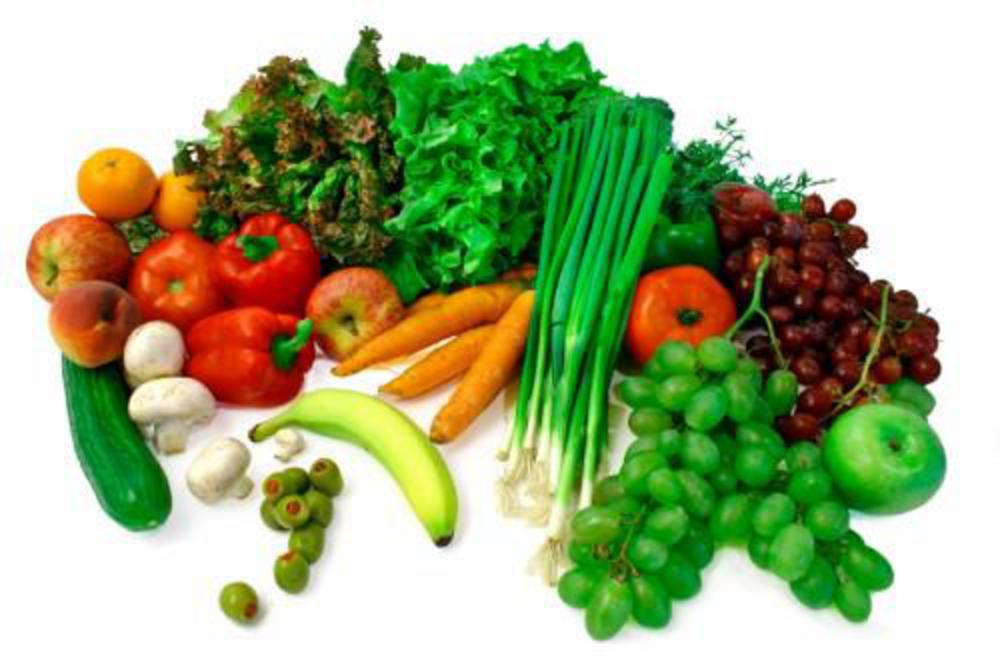
Fruits and Vegetables

Health Benefits

Eating a diet high in fruits and vegetables as an overall healthy diet may...

reduce risk for stroke and other cardiovascular diseases.
reduce risk for type 2 diabetes.
protect against certain cancers, such as mouth, stomach, and colon-rectum cancer.
reduce the risk of coronary artery disease.
help decrease bone loss and reduce the risk of developing kidney stones.
Nutrients

No fruits or vegetables have cholesterol, and most are naturally low in fat and calories.
Vegetables are a great source for potassium, dietary fiber, folic acid, vitamin A, vitamin E, and vitamin C.
Fruits are a great source for nutrients such as potassium, dietary fiber, vitamin C and folic acid.
Diets rich in potassium may help to maintain healthy blood pressure.
Dietary fiber helps reduce blood cholesterol levels and may lower risk of heart disease. Fiber is important for proper bowel function. Fiber-containing foods such as vegetables help provide a feeling of fullness with fewer calories.
Folic acid (folate) helps the body form red blood cells. Women of childbearing age who may become pregnant and those in the first trimester of pregnancy should consume adequate folic acid, including folic acid from fortified foods or supplements.
Vitamin A keeps eyes and skin healthy and helps to protect against infections.
Vitamin E helps protect vitamin A and essential fatty acids from cell oxidation.
Vitamin C helps heal cuts and wounds and keeps teeth and gums healthy.
Vitamin C also aids in iron absorption.
Whole Grains

Grains, especially whole grains, provide several health benefits. Grains provide essential nutrients and helps reduce the risk of developing chronic diseases.

Health Benefits

Eating a diet high in grains, especially whole grains, as an overall healthy diet may ...

help with weight management.
reduce constipation.
reduce the risk of coronary artery disease.
Nutrients

Grains provide many nutrients such as dietary fiber, B vitamins and minerals.
Dietary fiber may help reduce blood cholesterol levels and lower risk of heart disease.
B vitamins are essential for your metabolism by helping your body release energy from protein, fat and carbohydrates.
Folic acid helps the body form blood cells and is especially important for women of childbearing age who may become pregnant.
Magnesium from whole grains helps build bones and release energy from muscles.